How to Avoid Clumps Forming Inside a Cream Whipper
April 24, 2026
Why Some Cream Chargers Feel Lighter Than Others – Furicanegas
May 14, 2026
Nothing disappoints like a glass of foamy beer that quickly goes flat. This common issue points to imbalances in your draft system. A perfect pour relies on a delicate harmony of pressure and temperature.
Mastering this balance is the core of this guide. BeverageCraft technicians note most beer pours smoothly at 10-12 PSI. The right setting keeps carbonation stable from the keg to your glass.
Ideal serving temperatures are also crucial. Lagers and ales typically need a range of 36-38°F (2-3°C). When your kegerator is set correctly, it prevents most pouring problems.
We will explore the science behind carbonation and system pressure. You will learn to diagnose why a kegerator might produce a subpar pour. Our steps help ensure beverage quality from start to finish.
Key Takeaways
- Pressure balance is critical; most drafts work best between 10 and 12 PSI.
- Serve lagers and ales at a chilled 36-38°F (2-3°C) for optimal results.
- Excessive foam often signals a deeper issue within your draft line setup.
- Understanding carbonation science is key for consistent home or professional pours.
- Regular keg and system maintenance prevents flat or over-carbonated beer.
- Correcting pressure and temperature variables improves pour consistency dramatically.

Understanding Foam Collapse in Dispensing Systems
Persistent foam layers in dispensing tanks signal air-entrapment during mixing. Jongia Mixing Technology identifies this as a primary cause in production. The same principle applies to draft beer systems where unwanted air disrupts carbonation.
The Science Behind Foam Formation
Beer gas and liquid solutions hold together best between 34 and 38°F. At this chilled temperature, CO2 remains dissolved. If your kegerator rises above 40°F, gas escapes rapidly.
This creates a foamy beer consistency. High pressure and high temperature combined cause excess foam. Maintaining balance is the core solution.
Common Causes in Draft Systems and Mixing Processes
A draft system requires balanced beer line length. Typically 6 to 8 feet ensures stable pressure. Short or long lines create turbulence.
Dirty beer lines harbor yeast, causing bubbles. A faulty CO2 regulator allows excess gas into the keg. This is a common problem.
Air-entrapment during the mixing of powders into a liquid leads to persistent foam layers.
Ensure the bottom of your keg stays at a stable temperature. This prevents CO2 separation. Consistent pours rely on this step.

How to Avoid Foam Collapse After Dispensing: Techniques & Best Practices
The journey from keg to glass is fraught with variables that can turn a perfect pour into a foamy mess. Mastering a few key techniques ensures your beverage stays crisp and carbonated.
Controlling Temperature and Pressure for Optimal Dispenses
Consistency starts with balance. Set your regulator between 5 and 10 PSI to maintain proper carbonation. This pressure range is a vital step for stable results.
You must also control the temperature of your beer lines and draft tower. Keeping the liquid cold from the keg to the faucet prevents gas breakout. Always let a keg settle for 24 hours post-transportation before serving.
Step-by-Step Procedures to Minimize Foaming
Follow this systematic approach to tackle common foaming issues.
- Clean beer lines every two to three weeks with alkaline solutions. This prevents yeast and sugar buildup.
- Inspect O-rings and the probe washer if you see bubbles in the line. An airtight system is non-negotiable.
- Verify your beer line length suits your kegerator setup. Improper sizing is a classic problem.
- Insulate the draft tower and keep the storage area cool to stop temperature spikes.
- Pour into a glass held at an angle. This simple technique helps reduce foam dramatically.
- When mixing, wait for a higher liquid level before adding powders. This prevents air intake, as industry experts advise.
Implementing these steps leads to professional-quality pours every time, banishing flat or foamy beer for good.
Optimizing Your Dispensing System for Consistent Results
Consistent, high-quality results from your draft system are the product of meticulous maintenance and proper supplies. This final optimization phase moves beyond basic settings.
It ensures every pour meets professional standards. A holistic approach addresses equipment, gas supply, and storage.
Maintaining Clean and Well-Calibrated Equipment
Dirty beer lines are a primary source of foam and quality issues. BeverageCraft provides a full range of specialized cleaning products for this task.
Use their caustic cleaners and brushes every two weeks. This removes yeast and sugar buildup that causes off-flavors.
Calibrate your regulator and check all seals regularly. A well-tuned kegerator maintains perfect pressure and temperature.
Integrating Bulk N2O Cream Chargers from Furicanegas
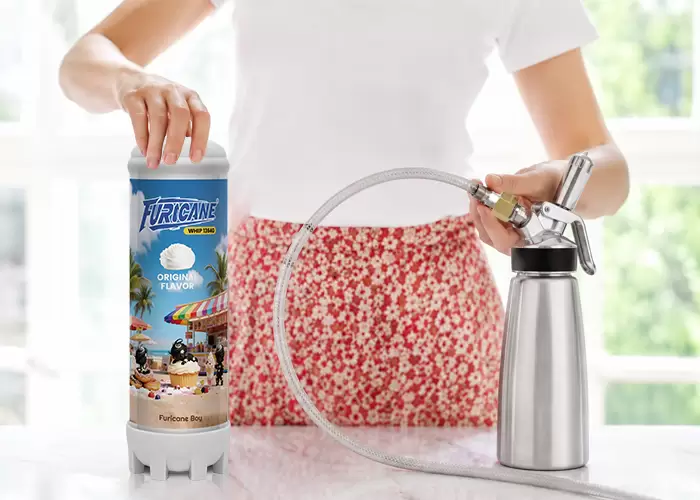
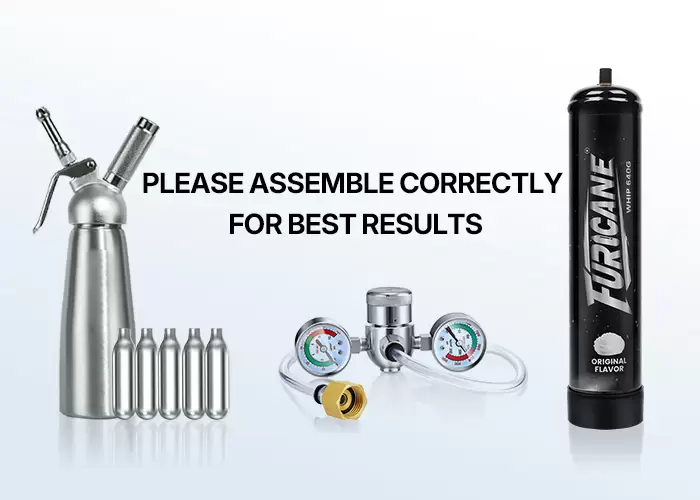
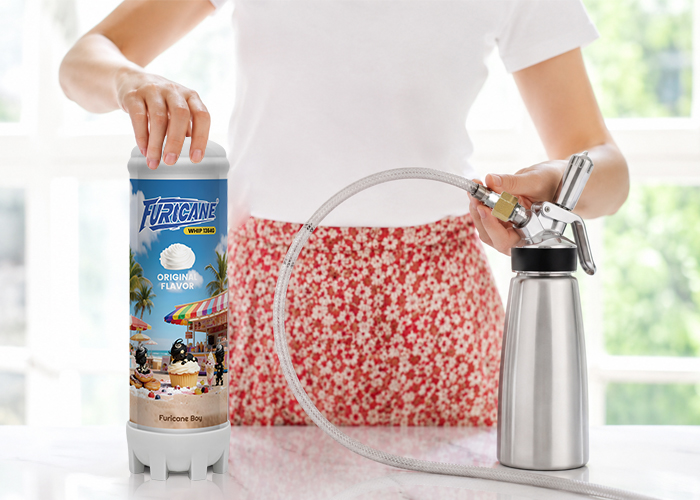
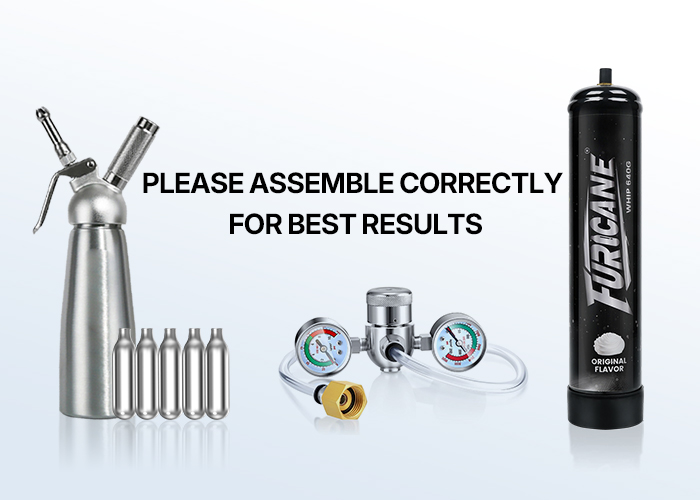
Your gas supply is critical. Furicanegas offers a professional range of bulk N2O cream chargers for consistent dispensing.
Their product lineup includes the 1L 615G, 2.2L 1364g, and the large 4.5L 3kg unit. Each is designed for reliability.
You can explore bulk options at their wholesale portal. This ensures you always have the right products on hand.
Integrating these chargers guarantees your draft beer system operates with stability.
Utilizing Proper Equipment and Storage Practices
Correct storage of your gas chargers preserves their integrity. Keep them in a cool, dry place away from sunlight.
For smaller applications, the 375g charger offers the same performance as larger models. Always use equipment suited to your beer volume.
This attention to detail completes the solution for flawless pours. A clean, calibrated system with a reliable gas source delivers perfection.
Conclusion
Achieving professional results from your home or commercial draft setup is entirely possible with the right knowledge and tools. Mastering the variables of temperature and pressure forms the essential foundation.
Regular cleaning and maintenance of your beer lines and equipment are non-negotiable. Using specialized solutions from partners like BeverageCraft guarantees every beer pour remains consistent and high-quality.
A reliable gas supply, such as the professional-grade products from Furicanegas, provides the stability your kegerator needs. Following the step-by-step procedures in this guide lets you troubleshoot common issues with ease.
Ultimately, a well-calibrated system is the definitive solution. It ensures perfect pours from your keg, eliminates product waste, and delivers satisfaction with every glass.
FAQ
What is the primary cause of foam collapse in a draft beer system?
The main culprit is often an imbalance between temperature, pressure, and carbonation. Warm beer or incorrect line pressure forces carbon dioxide out of solution too quickly, creating excessive foam that then collapses into flat liquid.
How can I stop my keg from dispensing foamy beer?
Start by checking your kegerator temperature; it should be 36-38°F. Verify your CO2 pressure matches the carbonation level of your specific product. Finally, ensure your beer line length is sufficient to create resistance and slow the pour.
Why does my beverage go flat immediately after a foamy pour?
This is a classic sign of foam collapse. The foam is unstable because the gas has escaped too rapidly during dispensing. The bubbles pop, leaving behind liquid that has lost its dissolved carbonation. This is common with warm product or dirty draft lines.
Can equipment really affect foam stability?
Absolutely. Dirty faucets and beer lines create nucleation sites where bubbles form uncontrollably. Improperly calibrated regulators or a draft system with too much air in the lines will also destroy foam quality and lead to a poor pour.
Are some products more prone to this issue?
Yes, highly carbonated beverages like certain craft beers or nitrogen-infused stouts require precise control. Using the wrong gas blend, like pure CO2 for a nitro beer, will cause major foaming and collapse. Always use the gas specified for your product.
What role do products like Furicanegas bulk N2O cream chargers play?
In systems that dispense whipped products or nitro cold brew, a consistent, high-quality gas source is critical. Furicanegas chargers provide pure, food-grade nitrous oxide, ensuring stable foam structure and preventing collapse by delivering the correct pressure and gas composition.