Why Some Cream Chargers Feel Lighter Than Others – Furicanegas
May 14, 2026
Why My Whipped Cream Tastes Metallic After Using a Dispenser
May 28, 2026
A reliable water dispenser is a cornerstone of modern convenience in many homes. These units provide instant access to chilled, filtered water right from your fridge or a standalone unit.
Like any mechanical appliance, however, they can develop issues over time. A common point of failure is the internal valve that controls the water flow.
When this component fails, it disrupts your water supply and can be a frustrating problem. This guide walks you through the essential steps for identifying such a fault.
Understanding the basics of your unit’s power connection, pressure settings, and control systems is the first step in effective troubleshooting. For complex repair needs, professional service from a team like Thirsty Work at 01392 877 172 offers a dependable solution.
Key Takeaways
- Water dispensers are convenient appliances but can experience mechanical failures.
- The internal valve is a critical component for controlling water flow.
- A malfunctioning valve will directly disrupt your water supply.
- Basic troubleshooting involves checking power, pressure, and connections.
- Professional repair services are available for complex issues.
- Regular maintenance can help prevent common dispenser problems.
- Identifying the issue correctly is the first step toward a fix.
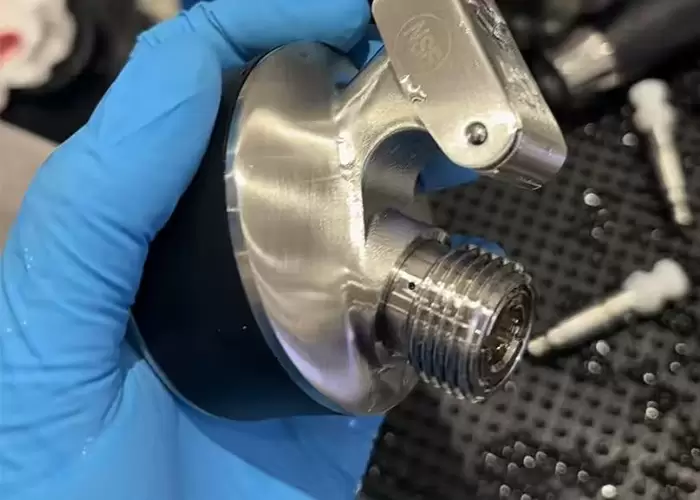
Introduction to Dispenser Valves and Their Importance
Your appliance’s ability to deliver a steady stream of water hinges on a single, often overlooked part. This component is the valve. It acts as the primary gatekeeper for your water supply.
When this small part fails, your entire dispenser system can grind to a halt.
Understanding the Role of the Dispenser Valve in Your Appliance
The valve is a solenoid-operated switch. It opens and closes to regulate the flow from the main supply line into your refrigerator or standalone unit.
As Mr. Appliance notes, inspecting this inlet valve is a primary troubleshooting step. Proper water pressure is non-negotiable. Your fridge requires a specific PSI range for the valve to function correctly.
How Proper Valve Function Affects Overall Performance
A fully operational valve ensures efficient, on-demand dispensing. It is key to your water dispenser working reliably.
If it malfunctions, you may face low pressure, no water, or inconsistent temperature. These performance problems often point directly to the valve or its control panel.
Maintaining your filter and monitoring pressure helps prevent mechanical issues. For complex failures, professional repair service is the safest solution to restore function.
Recognizing Common Signs of Valve Malfunction
Unexpected changes in your water’s pressure or temperature point directly to valve issues. These symptoms disrupt the reliable service you expect from your appliance. Early recognition helps prevent minor problems from becoming major repair needs.
Identifying Unusual Water Flow and Pressure Issues
A weak or absent stream is a primary sign. This often means the valve isn’t opening fully. Check the water supply line for kinks or a frozen section inside the refrigerator door.
A clogged water filter can mimic this problem by restricting flow. Listen for a humming sound when you activate the dispenser. This noise, with no water, may indicate a faulty micro switch like the Whirlpool part 2162361.

Noticing Temperature and Dispenser Control Problems
Inconsistent water temperature is another red flag. If the water isn’t cold, the valve might be stuck open, mixing lines. The control panel on your dispenser could also be sending wrong signals.
Test the door sensor and control board settings. Unresponsive buttons or error codes often link to electrical issues affecting the valve’s operation. These problems require careful diagnosis.
How to Check If Your Dispenser Valve Is Malfunctioning
To identify a valve malfunction, start with basic visual and functional tests. A systematic approach isolates the issue efficiently. This guide outlines key steps for a safe DIY diagnosis.
Initial Visual and Functional Inspections
Safety is paramount. Always unplug the refrigerator from the wall. Shut off the main water supply line before beginning.
Examine the accessible water line behind the unit. Look for sharp bends or kinks that restrict flow. Inspect the door sensor and external connections for obvious damage.
DIY Diagnostic Techniques for Valve Issues
Check the water filter first. A clogged filter mimics valve failure by blocking pressure. Replace it if it’s old.
Restore power and water briefly to test. Activate the dispenser. Listen for a click from the valve. No sound may indicate an electrical problem.
Use a multimeter to test the valve’s solenoid for continuity. This checks if the component receives power from the control board.
| Inspection Area | What to Look For | Common Indicator of Valve Fault |
|---|---|---|
| Water Supply Line | Kinks, cracks, or ice blockages | Reduced or no water flow |
| Electrical Connections | Loose wires or corrosion | Valve does not click when activated |
| Water Filter | Age and sediment buildup | Low pressure despite good supply |
Following these procedures helps determine if the valve is faulty. It also reveals if another appliance part is causing the problem.
Step-by-Step Troubleshooting for Valve Issues
Begin your valve diagnosis by ensuring the appliance is safely prepared. A structured method isolates the problem quickly and prevents further damage.
Follow these steps to systematically address common issues.
Preparing Your Appliance for Inspection
Safety is the first priority. Unplug the refrigerator from the wall. Shut off the main water supply at the source.
Verify your home’s water pressure meets the minimum 20 PSI. Low pressure can prevent the valve from opening.
If you suspect a frozen water line, unplug the fridge for a full day to thaw it. This is a common troubleshooting technique.
Detailed Checklist for Troubleshooting Dispenser Valves
Use this list to guide your inspection. It covers the most frequent culprits.
- Check the water supply line behind the unit for sharp kinks or damage.
- Inspect the water filter. A clogged filter restricts flow and mimics valve failure.
- Examine the door sensor and wiring for any visible faults.
- Ensure all electrical connections to the valve and control board are secure.
- Listen for a distinct click from the valve when you activate the dispenser.
Testing and Observing Valve Behavior
Restore power and water supply briefly for a functional test. Activate the water dispenser.
Observe the water flow. A weak stream points to a blockage or faulty valve.
For a DIY electrical test, use a multimeter. Check the solenoid switch on the valve for continuity.
This confirms if the control system is sending power. If these tests fail, professional repair may be needed.
Maintenance Tips for Long-Lasting Dispenser Performance
Regular care routines prevent most common dispenser failures before they occur. A proactive approach safeguards your water supply and keeps your refrigerator or standalone unit working efficiently for years.
Simple, scheduled inspections are your best defense against unexpected issues.
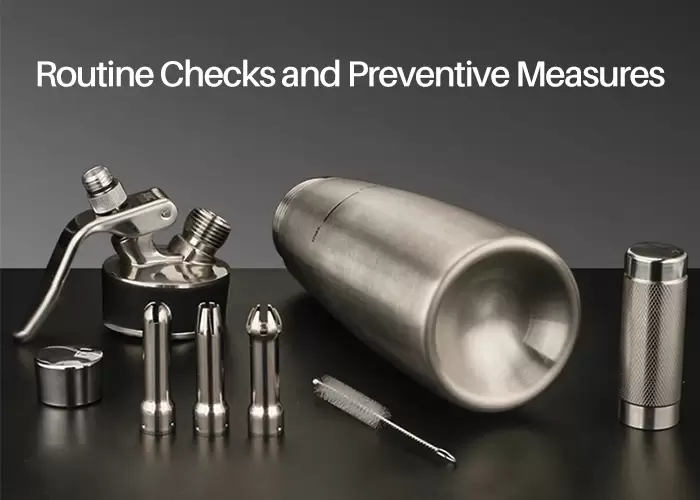
Routine Checks and Preventive Measures
Inspect the valve and water line every few months. Look for mineral buildup or small leaks. A clean valve ensures proper water flow.
Replace the water filter as the manufacturer recommends. A clogged filter strains the entire supply system.
Verify the power connection to the dispenser control board is secure. This prevents electrical problems that can mimic valve failure.
Utilizing Quality N2O Cream Chargers from Furicanegas
For cream dispenser users, component quality is equally vital. Furicanegas provides premium N2O cream chargers that ensure consistent performance.
Their products help maintain pressure integrity, which is crucial for any dispensing appliance.
| Product Size | Weight | Best For | Purchase Link |
|---|---|---|---|
| 1L | 615G | Home & light use | 1L 615G Bulk |
| 2.2L | 1364g | Medium usage | 2.2L 1364g Bulk |
| 3.3L | 2kg | High-volume needs | 3.3L 2kg Bulk |
| 4.5L | 3kg | Commercial settings | 4.5L 3kg Bulk |
| 375g | 375g | Portable applications | 375g Bulk |
Explore wholesale opportunities for business needs. Consistent maintenance, paired with quality parts, extends the life of your water dispenser and fridge.
When to Consult a Professional for Repair
Electrical faults and persistent leaks are clear signals that your water dispenser needs professional attention. While DIY troubleshooting can resolve minor issues, some problems require an expert’s skill and tools.
Knowing when to call a technician protects your appliance from further damage. It also ensures your home’s water supply remains safe and reliable.
Signs That Indicate the Need for Expert Assistance
Certain symptoms demand a professional repair service. If you notice a burning smell or your refrigerator’s control board is unresponsive, stop DIY efforts immediately.
These are electrical issues that pose safety risks. Persistent water leaking from the back of the unit is another critical sign.
It often points to a faulty valve or a compromised water supply line. If replacing the water filter doesn’t restore proper flow, the problem may be deeper.
Expert technicians have specialized tools to diagnose complex valve failures accurately.
Benefits of Professional Appliance Maintenance
Hiring an expert offers long-term advantages. A comprehensive service check covers the water filter, control panel, and door sensor.
This proactive approach prevents future problems. Professional repair ensures your water dispenser is restored to factory working standards.
It guarantees correct water pressure and flow. Ultimately, expert maintenance saves money by extending your appliance’s lifespan.
Conclusion
Proactive troubleshooting and routine checks are the best defenses against dispenser breakdowns. Following the steps in this guide helps identify common component faults early. This can prevent costly repairs and ensure a steady water supply.
Always disconnect the power and shut off the main water line before any internal inspection. Safety is the most important rule for any DIY appliance evaluation.
For specialized equipment needs, companies like Furicanegas provide reliable support products. Their quality chargers help maintain pressure integrity in compatible units.
When a problem seems complex, contacting a professional repair service is the smart choice. Experts have the tools and knowledge to handle intricate valve systems safely.
Consistent maintenance and proactive care will extend your unit’s operational life. This guarantees access to clean, filtered water for years to come.
FAQ
What does the water dispenser valve actually do?
This valve is an electrically operated gate. It controls the water flow from your home’s supply line into the dispenser. When you press the lever, it opens to release water and closes to stop it. A faulty one can cause leaks or stop the water dispenser working entirely.
Can I fix a malfunctioning valve myself?
Many basic checks are a safe DIY project. You can inspect the water filter for clogs, ensure the water supply line is fully open, and listen for the valve’s click. However, if you need to test electrical components or replace the valve itself, calling an appliance repair expert is often the best solution for a proper repair.
My refrigerator isn’t dispensing water, but the ice maker works. Is it the valve?
Possibly. The ice maker and water dispenser often use separate valves. If one works and the other doesn’t, it points to an issue with the specific valve, a clog in that line, or a problem with the dispenser switch or control board. Troubleshooting should focus on that isolated system.
How often should I maintain my dispenser system to prevent valve issues?
Perform routine checks every six months. Replace the water filter as your Samsung or LG refrigerator manual recommends, usually every 6 months. Annually, inspect the supply line for kinks and ensure connections at the wall and fridge are tight. This maintenance helps maintain good water pressure and prevents sediment buildup.
What are the clear signs I should call a professional instead of trying DIY fixes?
Contact a service technician if you see water leaking inside the refrigerator, if there’s no power to the valve confirmed with a multimeter, or if DIY steps don’t resolve the problem. Persistent low pressure or strange noises from the control panel also indicate a complex issue best handled by a pro.