
Do you have to be 21 to buy whipped cream chargers? – Furicanegas
February 5, 2026
How to Use a Large Whip Cream Charger? | Wholesale Chargers
February 5, 2026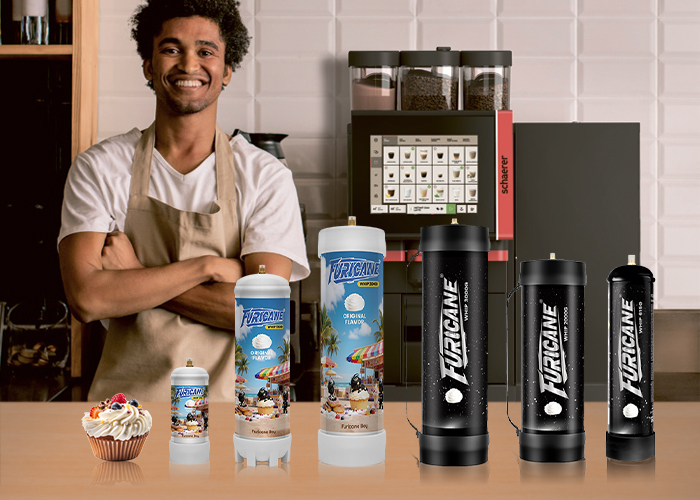
Many home cooks and professional chefs ask this question. Precise measurements are vital for successful recipes. Understanding the conversion between ounces and cups is a common challenge in the kitchen.
The key to the answer lies in the type of ounces you are using. There is a crucial difference between fluid ounces, which measure volume, and ounces that measure weight. For liquid ingredients like heavy cream, we use fluid ounces.
This page from Furicanegas provides a clear answer. We are a trusted resource for accurate culinary measurements and high-quality tools. Our expertise extends to premium N2O cream chargers for perfect whipped cream.
Getting the measurements right affects the texture and outcome of your dishes. This is especially true for whipped cream, sauces, and ganache. We will provide a practical example to ensure your results are consistent.
Throughout this article, you will learn conversion techniques and why precision matters. We will show you how proper knowledge and tools lead to culinary success.
Key Takeaways
- Liquid and weight measurements are different; this is key for accuracy.
- Fluid ounces measure volume, which is essential for converting to cups.
- Precise measurements are critical for recipes involving whipped cream and sauces.
- Furicanegas offers reliable information and professional-grade culinary equipment.
- Understanding these conversions helps achieve consistent, high-quality results in baking and cooking.
Understanding Heavy Cream Measurements
Mastering measurement systems is essential for consistent results in the kitchen. The United States employs a unique approach that combines volume and weight measurements.
Standard Measurement Units in the US
American recipes primarily use volume-based measurements for liquids. The standard cup equals 8 fluid ounces, while weight measurements rely on ounces and pounds.
This system differs significantly from the metric approach used globally. Most countries employ milliliters, liters, and grams for standardized precision.
Differences Between Weight and Volume
The critical distinction lies between fluid ounces and weight ounces. Fluid ounces measure volume—the space an ingredient occupies. Weight ounces measure mass—how heavy a substance is.
This difference becomes crucial when converting measurements. The same volume of different ingredients will have varying weights due to density.
For dairy products like heavy cream, recipes typically specify volume measurements. One cup of this ingredient weighs approximately 8.2 ounces or 230 grams.
Understanding these fundamental concepts prevents measurement errors. It ensures your culinary creations turn out perfectly every time.
Conversion Techniques for Accurate Measurements
The transition between volume and weight measurements demands specific techniques for reliable results. Professional chefs employ systematic approaches to ensure precision across different units.
Using a Kitchen Scale for Precision
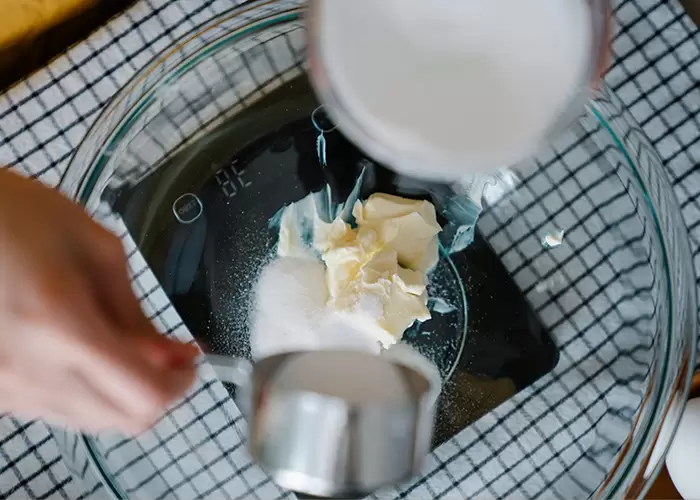
Professional bakers consider a kitchen scale indispensable for eliminating variables. Volume measurements can vary based on how ingredients settle or are packed. A digital scale provides consistent weight readings unaffected by these factors.
This tool delivers superior accuracy compared to volume-based measurements. It ensures your conversions maintain recipe integrity from start to finish.
Formulas and Conversion Tips
Converting fluid ounces to cups follows a straightforward formula. Divide the number of fluid ounces by 8, since one cup equals exactly 8 fluid ounces.
Weight conversions require more complex calculations. The formula accounts for ingredient density: cups = ounces / (8.3454 × density). Different substances have varying mass per unit volume.
When measuring without a scale, use proper techniques. Level off dry ingredients and read liquid markings at eye level. These practices improve accuracy in your kitchen measurements.
Is 16 oz of heavy cream 2 cups?
The question of measurement conversion often arises when working with liquid ingredients. The answer depends entirely on whether you’re measuring volume or weight.
If your recipe calls for sixteen fluid ounces, this equals exactly two cups. However, sixteen weight ounces of this dairy product equals approximately 1.95 cups.
Step-by-Step Conversion Process
- Start with the number of fluid ounces
- Divide by eight (the standard conversion rate)
- The result gives you the exact number of cups
For weight ounces conversion, the process differs:
- Begin with the weight in ounces
- Divide by 8.2 (the weight of one cup)
- Calculate the precise volume measurement
This distinction matters significantly in baking. Using two cups when a recipe requires sixteen weight ounces adds extra liquid. This small difference can affect texture and consistency.
Most American recipes use fluid ounces for liquids. When uncertain, assume volume measurements unless specified otherwise.
The key takeaway remains clear: sixteen fluid ounces equals two cups exactly, while weight measurements yield slightly less.
Using Precise Measurements in Cooking and Baking
While cooking often allows for flexibility, baking demands exact ratios to ensure proper chemical reactions. This distinction makes measurement precision particularly critical for successful baked goods.
Common Challenges in Volume to Weight Conversions
Professional bakers prefer weight measurements because volume methods introduce variability. A cup of flour can weigh differently depending on how it’s packed or leveled.
Different ingredients have varying densities that affect conversions. One cup of butter weighs 8 ounces, while the same volume of flour weighs only 5 ounces. Sugar falls in between at 7 ounces per cup.
Environmental factors like humidity can change ingredient mass. This makes weight measurements more reliable than volume for consistent baking results.
For small measurements, remember that 3 teaspoons equal 1 tablespoon. This equals approximately ½ ounce or 14 grams in weight-based systems.
Creating a personal conversion chart for frequently used ingredients helps adapt recipes successfully. Testing these conversions ensures your baked goods turn out perfectly every time.

N2O Cream Chargers at Furicanegas
Furicanegas offers comprehensive solutions for chefs seeking reliable cream charging systems. Our professional-grade products serve both commercial kitchens and home culinary enthusiasts who demand precision and quality.
Exploring the Product Range
Furicanegas provides multiple size options measured by both volume in liters and weight in grams. This allows customers to select the appropriate unit for their specific needs.
The compact 375g option is ideal for smaller operations or home users. The 1L 615G model offers an excellent balance of volume and portability.
For busy kitchens, the 2.2L 1364g charger provides substantial capacity. High-volume operations benefit from the 3.3L 2kg option where density matters for consistent preparation.
The largest 4.5L 3kg unit delivers maximum unit volume for commercial establishments.
Wholesale Opportunities and Bulk Options
Businesses can access bulk pricing and volume discounts through our wholesale program. This makes inventory management economical for high-demand operations.
Understanding measurement conversions between liters, grams, and standard US units like quarts helps customers select the right product size. The density of each substance affects performance.
Choosing the correct charger size depends on usage patterns and storage capacity. Proper selection ensures optimal results for cream-based preparations.
Conclusion
The journey through measurement conversions reveals essential principles for every cook. Remember that fluid ounces measure volume while weight ounces measure mass. This distinction ensures accurate results in your kitchen.
Understanding conversion relationships prevents measurement errors. One cup equals eight fluid ounces for volume measurements. For weight conversions, ingredient density affects the outcome.
Precision matters most in baking contexts. Chemical reactions depend on exact ratios of flour, butter, and sugar. Professional references consistently recommend weight-based measurements for reliability.
Bookmark this page for future conversion needs. Explore premium N2O cream chargers at Furicanegas.com to complement your measurement knowledge. Achieve perfect whipped cream consistency with professional-grade equipment.