How to Use a Large Whip Cream Charger? | Wholesale Chargers
February 5, 2026
What size are whip cream chargers? – Furicanegas
February 5, 2026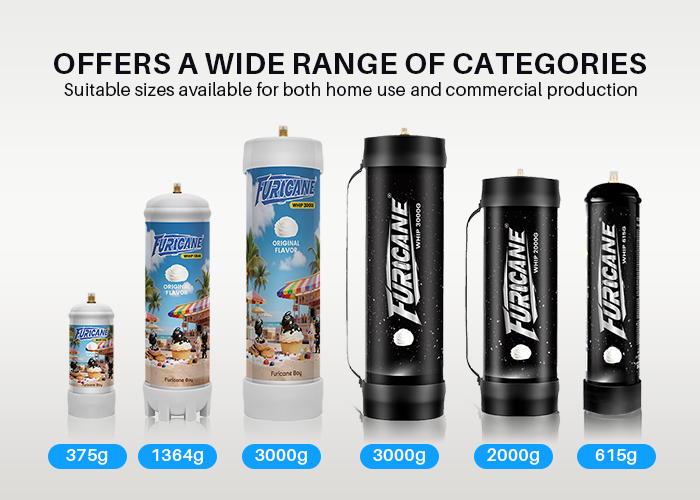
Many people assume these small cartridges are identical across brands. However, significant variations exist in quality, size, and performance. Understanding these differences ensures better culinary results and safety.
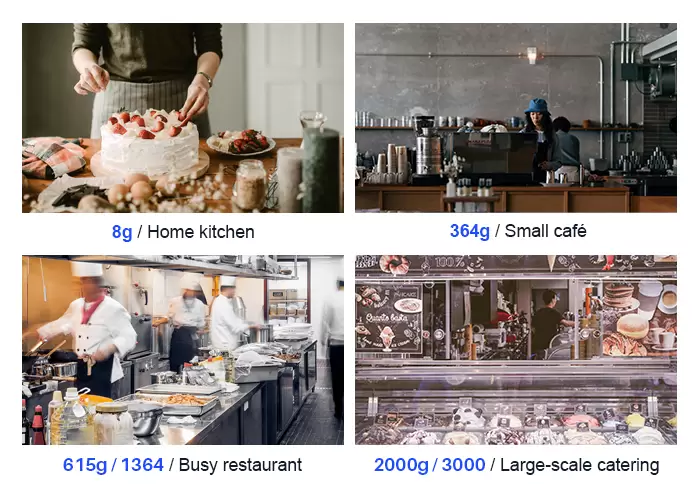
The market offers diverse options for different needs. Small 8-gram cartridges work well for home kitchens. Commercial operations often require larger formats like 615g or 640g tanks. Some establishments even use multi-liter systems for high-volume production.
Quality distinctions include food-grade certification standards and gas purity. Manufacturing processes and dispenser compatibility also vary. These factors impact both safety and the final texture of your creations.
Making an informed purchasing decision involves multiple considerations. Frequency of use, volume requirements, and brand reputation matter. Rather than selecting the cheapest option, balance quality, safety, and value.
This guide provides expert insights into the American market. We’ll explore products from trusted suppliers like furicanegas.com. Their range includes various sizes and wholesale options for different applications.
Key Takeaways
- Cream charger quality varies significantly between brands and types
- Size options range from small home-use cartridges to large commercial tanks
- Food-grade certifications and gas purity impact safety and results
- Dispenser compatibility is crucial for proper functionality
- Commercial operations typically require larger format chargers
- Brand reputation and manufacturing standards affect performance
- Balance cost with quality and safety when making your selection
Understanding Whipped Cream Chargers
Understanding the basic mechanics of cream chargers reveals why they produce superior results. These devices represent a specialized culinary technology that transforms liquid cream into light, airy toppings.
Definition and Function
Cream chargers are precisely engineered steel cylinders containing pressurized nitrous oxide gas. When inserted into compatible dispensers, a small pin pierces the cartridge seal.
The food-grade N₂O gas then flows into the cream-filled chamber. This process occurs under significant pressure, allowing the gas to dissolve into the liquid.
How Nitrous Oxide Enhances Whipped Cream
Nitrous oxide possesses unique properties ideal for culinary applications. It dissolves efficiently into fat molecules without altering flavor profiles.
When released through the dispenser nozzle, the dissolved gas rapidly expands. This expansion creates countless microscopic bubbles throughout the cream.
The result is a stable, fluffy texture that maintains its form. Professional-grade chargers ensure consistent performance with every use.
This technology allows both home cooks and professional chefs to achieve restaurant-quality results. Proper understanding of these mechanics leads to better culinary outcomes.
Are all whipped cream chargers the same?
Professional chefs and home cooks alike discover that not every gas cylinder produces equivalent results. The market offers diverse options with distinct characteristics affecting performance.
Significant variations exist across multiple dimensions. Physical dimensions range from compact cartridges to large commercial tanks. Gas purity standards differ substantially between manufacturers.
| Feature | Standard Options | Premium Options | Commercial Grade |
|---|---|---|---|
| Gas Purity | Basic food-grade | High-purity filtered | Medical-grade equivalent |
| Cartridge Size | 8g home units | Standard 8g | 615g+ tanks |
| Manufacturing Standards | Minimum compliance | Enhanced QC processes | Industrial certifications |
| Dispenser Compatibility | Limited models | Broad compatibility | Professional systems |
Quality distinctions impact both safety and culinary outcomes. Reputable manufacturers invest in rigorous quality control measures. These processes ensure consistent gas purity and reliable performance.
Compatibility represents another critical consideration. Not every cylinder works seamlessly with all dispensing equipment. Thread patterns and seal designs vary between brands and models.
Understanding these differences enables better purchasing decisions. Consumers can select products matching their specific needs and equipment requirements.
Exploring Cream Charger Sizes and Capacities
Capacity options for nitrous oxide canisters span a remarkable spectrum to accommodate different production volumes. These products range from tiny 8-gram cartridges to large multi-liter tanks. Each size serves a distinct purpose in culinary applications.
Overview of Size Variations
Standard small cartridges are perfect for home use. They fit most dispensers and make about half a liter of whipped topping. Larger commercial canisters offer significantly greater output.
A single 580g unit can yield up to one liter of finished product. This efficiency reduces waste and changeover time. One large tank often replaces over eighty small cartridges.
Choosing the correct charger size is the first step toward consistent, high-quality results in any kitchen.
Selection depends on your expected usage frequency and volume needs. Consider storage space and equipment compatibility. Investing in the right size improves workflow and cost-effectiveness.
| Charger Size | Typical Output | Best For |
|---|---|---|
| 8g Cartridge | ~0.5 Liters | Home Kitchens |
| 375g Canister | ~4 Liters | Small Cafes |
| 615g / 1L Tank | ~6 Liters | Busy Restaurants |
| 1364g / 2.2L Tank | ~13 Liters | Catering Events |
| 2kg / 3.3L Tank | ~20 Liters | Large-Scale Operations |
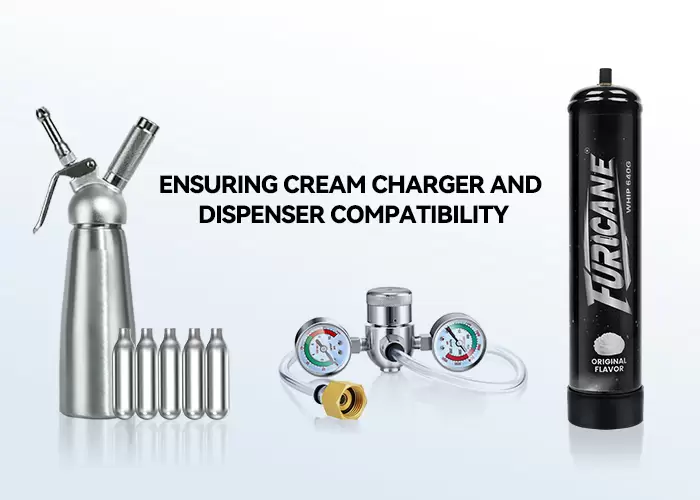
Product Options from furicanegas
Furicanegas provides a comprehensive selection of canisters. Their 375g option offers a mid-range solution for growing businesses. It delivers more capacity without a major equipment upgrade.
The 1L 615G model suits establishments with steady demand. It ensures continuous service during peak hours. Larger 2.2L and 3.3L tanks cater to high-volume production needs.
For maximum efficiency, the 4.5L 3kg charger is available. It minimizes interruptions in the most demanding professional settings. These various products address a wide array of culinary requirements.
Safety, Legal, and Food-Grade Considerations
Critical safety factors distinguish reputable products from potentially hazardous alternatives in the market. People handling pressurized containers must prioritize proper handling protocols. Understanding these considerations protects both users and consumers.
Food-Grade Certifications and Quality Standards
Food-grade nitrous oxide undergoes rigorous purification processes. This ensures the gas meets strict safety standards for culinary use. Industrial-grade alternatives may contain harmful contaminants.
Reputable manufacturers provide clear documentation of their quality certifications. These verifications guarantee product safety and consistency. Always verify certifications before purchase.
| Certification | Purpose | Key Features | Region |
|---|---|---|---|
| CE Marking | European Conformity | Safety standards compliance | European Union |
| ISO 9001 | Quality Management | Process consistency | International |
| FDA Compliance | Food Safety | US market approval | United States |
| TUV Certification | Independent Testing | Third-party verification | Global |
Legal Regulations and Age Requirements
Legal restrictions vary significantly across different jurisdictions. Many regions implement age verification requirements for purchase. These measures prevent improper use of nitrous oxide.
The steel construction of these containers requires responsible handling. They are designed for single use only. Attempting to refill them compromises safety and violates regulations.
Commercial buyers may need to provide business credentials. This ensures legitimate culinary applications. Always purchase from verified suppliers who follow legal protocols.
Choosing the Right Charger for Home and Commercial Use
Matching charger capacity to your actual usage patterns is crucial for both efficiency and cost-effectiveness. The ideal choice depends entirely on your production volume and frequency.
Home cooks and professional operations have distinct requirements. Understanding these differences ensures you select the most appropriate option.
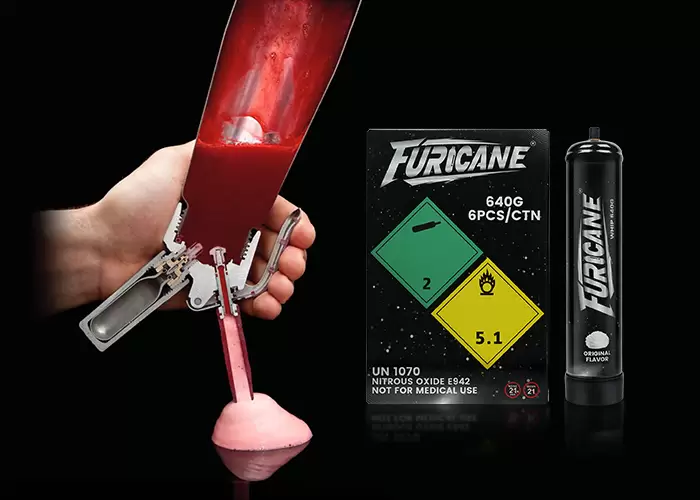
Home vs. Commercial Applications
Standard 8-gram cylinders work perfectly for household needs. They accommodate occasional dessert preparation without major equipment investments.
These small units produce enough topping for family gatherings. Their compact size suits limited storage space in residential kitchens.
The right charger selection transforms your kitchen workflow, whether you’re serving two people or two hundred.
Commercial environments demand larger formats for consistent service. Busy restaurants cannot afford frequent cartridge changes during peak hours.
| Application | Recommended Size | Key Benefits | Typical Users |
|---|---|---|---|
| Home Kitchen | 8g Cartridges | Affordability, convenience | Families, occasional bakers |
| Small Cafe | 375g Canisters | Balanced capacity | Coffee shops, bakeries |
| Restaurant | 615g/1L Tanks | High volume efficiency | Chefs, catering services |
| Large Events | 2.2L+ Tanks | Maximum output | Caterers, institutions |
Professional chefs appreciate the reliability of larger systems. They eliminate interruptions during critical service periods.
Evaluate your actual consumption before making a decision. Consider both immediate needs and future growth potential.
Ensuring Compatibility with Your Cream Dispenser
Equipment harmony stands as a critical factor that many users discover only through trial and error. Proper matching between charging systems and dispensing units prevents operational issues and ensures consistent performance.
Standard 8-gram cylinders typically work with most consumer-grade units due to industry standardization. However, subtle differences in threading or seal design can occasionally cause problems. These mismatches may lead to gas leakage or poor pressure delivery.
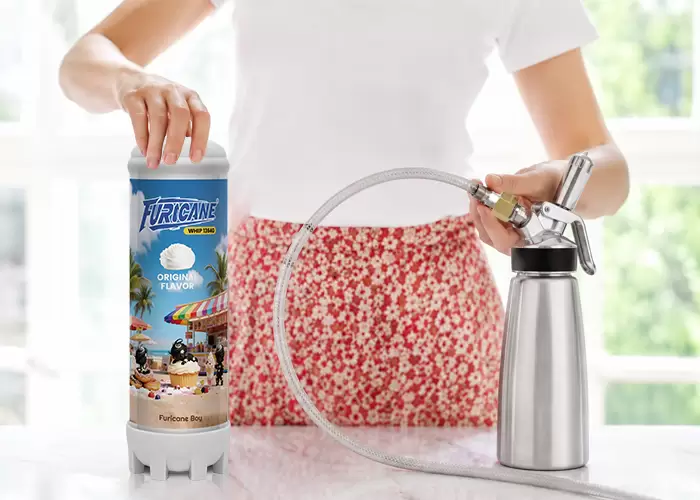
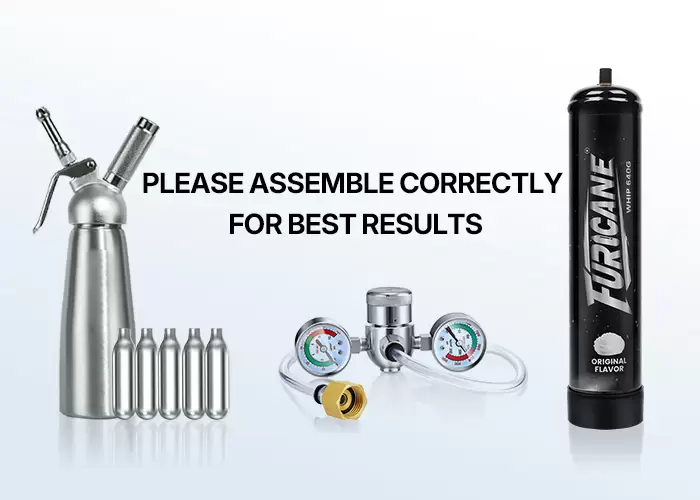
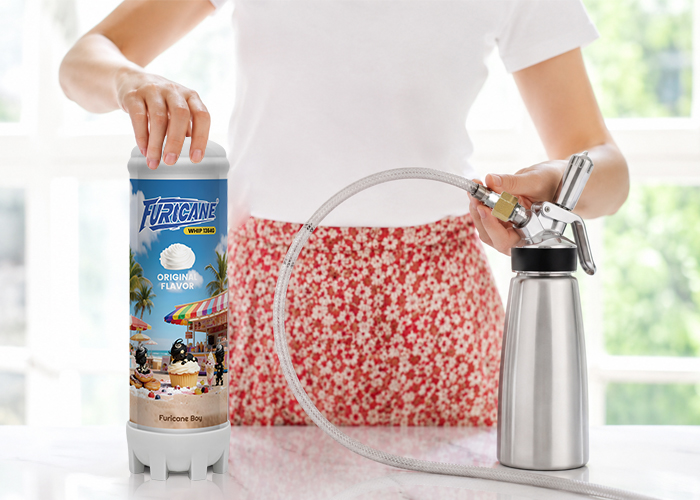
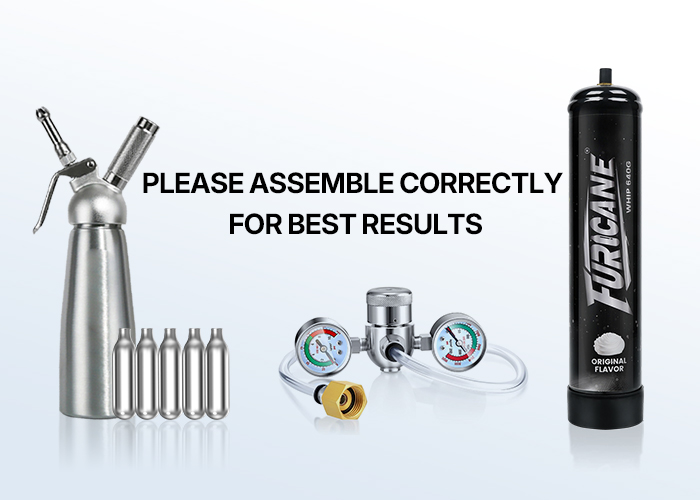
Larger format cylinders require specialized pressure regulator systems. These adapters must match both the charger capacity and your specific dispenser model. Incompatible components can damage equipment and void warranties.
Always verify product specifications before purchasing new cylinders. Look for compatibility lists that mention major brands like iSi, Mosa, and Rotass. Manufacturer recommendations provide valuable guidance for proper equipment pairing.
When shopping at furicanegas.com, utilize their detailed product descriptions and customer service resources. Confirming compatibility upfront prevents frustrating performance issues and unnecessary expenses.
Benefits of Buying in Bulk from furicanegas
Volume purchasing represents a smart business strategy that delivers multiple advantages beyond simple cost savings. Commercial operations and frequent users gain significant benefits through wholesale procurement.
Wholesale Pricing Advantages
The furicanegas wholesale program offers substantial economic benefits. Per-unit costs decrease dramatically as order sizes increase. This creates meaningful savings over time for businesses.
High-volume users particularly benefit from these pricing structures. Restaurants and cafes protect their profit margins while maintaining quality standards. The wholesale approach makes premium products more accessible.
Reliable Supply and Order Size Options
Bulk purchasing eliminates the risk of running out during critical periods. Imagine a busy service interrupted by supply shortages. Consistent inventory ensures uninterrupted whip cream production.
Furicanegas provides diverse options to match different usage patterns. From 375g units to 4.5L tanks, businesses can customize their orders. This flexibility supports various applications within operations.
Proper storage becomes essential with larger purchases. Designate cool, dry areas away from sunlight. Implement rotation systems to respect expiration dates and maximize shelf life.
Expert Tips for Optimal Whipped Cream Performance
The difference between amateur results and professional-quality aerated toppings lies in the execution of proper charging techniques. Mastering these methods ensures consistent texture and stability for your culinary creations.
Activation Techniques for Best Results
Professional kitchens follow precise protocols for different charger sizes. Each method optimizes gas incorporation into the dairy base.
For standard 8-gram units, insert the cartridge firmly into your dispenser. Listen for the distinctive hiss indicating seal penetration. Immediately shake vigorously for 10-15 seconds to distribute the gas evenly.
| Charger Type | Activation Steps | Shaking Duration | Key Consideration |
|---|---|---|---|
| 8g Cartridges | Insert, pierce, shake | 10-15 seconds | Immediate shaking critical |
| 615g+ Tanks | Attach regulator, connect, release gas | 15-20 seconds | Pressure control essential |
Larger commercial units require attaching a pressure regulator first. Connect the output hose to your dispenser’s input valve. Release gas for 3-5 seconds before thorough shaking.
Temperature control dramatically affects final texture. Always use well-chilled heavy cream with at least 30% fat content. Cold temperatures help fat molecules trap gas bubbles effectively.
Professional chefs recommend adding stabilizers like vanilla extract before charging. This enhances flavor while maintaining structure over time. Proper dispensing technique involves smooth, controlled lever pressure at 45-degree angles.
Maintaining Quality and Consistency in Whipped Cream
Maintaining peak quality in aerated toppings involves a systematic approach to both ingredient preservation and technique standardization. Proper protocols ensure every batch delivers optimal texture and performance.
Storage and Handling Best Practices
Correct storage conditions preserve gas integrity and equipment functionality. Keep cylinders in cool, dry areas between 50-70°F away from direct sunlight.
Implement a first-in-first-out inventory system to respect expiration dates. This prevents waste and maintains consistent performance over time.
| Storage Factor | Ideal Condition | Potential Issue | Recommendation |
|---|---|---|---|
| Temperature | 50-70°F (10-21°C) | Gas expansion/contraction | Climate-controlled area |
| Humidity | Low moisture environment | Canister corrosion | Proper ventilation |
| Light Exposure | Dark storage | Material degradation | Opaque containers |
| Organization | FIFO system | Expired product usage | Clear labeling |
Fresh whipping cream with high fat content (30% minimum) ensures superior results. Check expiration dates and avoid separated or off-smelling products.
Refrigerate prepared toppings immediately. Optimal texture lasts 2-3 days, though safety allows 7-10 days of usage.
Standardize your technique for consistent outcomes. Use chilled cream, precise shaking duration, and uniform dispensing methods every time.
Conclusion
The journey to perfect aerated toppings begins with choosing equipment that aligns with your specific kitchen environment. Your ideal selection depends on honest assessment of usage frequency and volume requirements.
Quality should never be sacrificed for price considerations. Reputable manufacturers with proper certifications ensure both safety and performance. This protects your health and delivers consistent results.
Home cooks typically find small cartridges sufficient for occasional use. Commercial operations benefit from larger formats that offer efficiency. Understanding these differences empowers better purchasing decisions.
For reliable options across various sizes, consider trusted suppliers who prioritize food-grade standards. Their comprehensive product ranges cater to diverse applications while maintaining quality consistency.
Making an informed choice ensures satisfaction with every batch you create. The right equipment combined with proper technique elevates your culinary presentations.